

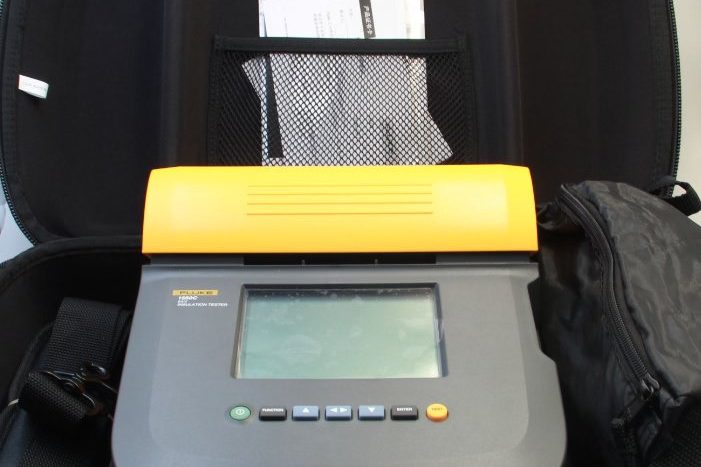
What Is a Continuity Test? How It Differs From an Insulation Resistance Test
When it comes to electrical safety, appearances can be deceiving. A cable may look perfectly intact, a switch may operate normally, and an electrical panel may seem to function without issues. Yet hidden faults inside the wiring can pose serious safety risks, reduce system efficiency, or even lead to equipment failure.
This is why electrical testing is an essential part of maintaining residential, commercial, and industrial electrical installations. Among the many tests performed by electricians and testing professionals, continuity testing and insulation resistance testing are two of the most important. Although they are often mentioned together, they serve very different purposes.
Understanding how these tests work, when they are performed, and why both are necessary can help property owners, facility managers, and businesses make informed decisions about electrical maintenance and compliance.
Why Electrical Testing Is Essential
Electrical systems naturally experience wear over time. Daily usage, environmental conditions, ageing cables, moisture, vibration, and accidental damage can all affect wiring performance.
Routine testing helps identify hidden issues before they develop into larger problems, such as:
- Electrical faults
- Equipment failure
- Fire hazards
- Unexpected downtime
- Safety risks for occupants
- Costly emergency repairs
Rather than waiting for an electrical problem to occur, regular inspections and testing provide confidence that the system is operating safely and efficiently.
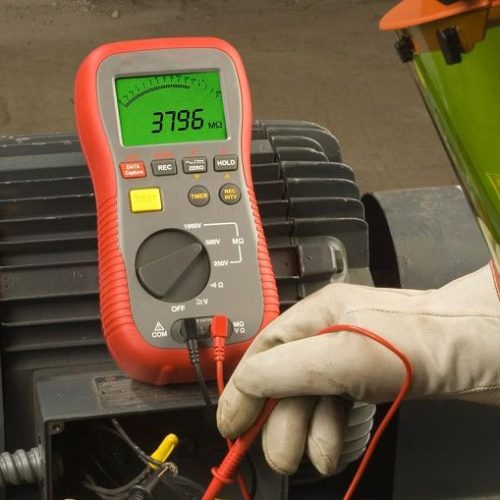
What Is a Continuity Test?
A continuity test is an electrical test used to verify whether electricity can flow through a conductor or electrical circuit without interruption.
In simple terms, it checks whether there is a complete electrical path from one point to another.
If the path is complete, the circuit has continuity.
If the path is broken, the circuit has lost continuity, indicating a fault somewhere within the wiring or connection.
Because of its straightforward purpose, continuity testing is often one of the first checks performed during electrical inspections.
How Does a Continuity Test Work?
A continuity tester or digital multimeter sends a very small electrical current through a conductor.
The tester then determines whether the current successfully reaches the opposite end.
Results generally indicate one of two conditions:
- Continuous electrical path
- Open or broken circuit
Many testing devices also produce an audible tone when continuity is present, allowing technicians to quickly identify complete circuits.
What Does a Continuity Test Detect?
A continuity test helps identify several common electrical issues.
These include:
Broken Conductors
Internal wire damage may interrupt electrical flow even when the cable appears undamaged externally.
Loose Electrical Connections
Over time, vibration or repeated use may loosen electrical terminals, affecting circuit performance.
Damaged Switches
Switches with internal failures may prevent electricity from passing through properly.
Faulty Protective Conductors
Protective earth conductors must remain continuous to ensure electrical safety.
Testing verifies that these important safety paths remain intact.
Common Applications of Continuity Testing
Continuity tests are widely used during:
- Electrical installations
- Maintenance inspections
- Equipment servicing
- Control panel testing
- Cable verification
- Earthing system inspections
- Circuit troubleshooting
Because the test is quick and effective, it forms an important part of many electrical safety procedures.
What Is an Insulation Resistance Test?
While continuity testing checks whether electricity can travel through the intended path, an insulation resistance test checks something completely different.
It measures how effectively the insulation surrounding electrical conductors prevents unwanted current leakage.
Every electrical cable contains insulation designed to separate live conductors from each other and from grounded surfaces.
If this insulation becomes damaged, electricity may leak where it shouldn’t, creating serious safety risks.
Moisture Damage
Water can reduce insulation effectiveness and increase leakage current.
Insulation Ageing
Over time, insulation materials naturally deteriorate.
Mechanical Damage
Physical stress during installation or operation may weaken cable insulation.
Heat Damage
High temperatures can cause insulation materials to become brittle or cracked.
Contamination
Dust, chemicals, and other contaminants may affect insulation performance in industrial environments.
Continuity Test vs Insulation Resistance Test: Understanding the Difference
Although both tests involve electrical circuits, they answer completely different questions.
Continuity Test | Insulation Resistance Test |
Confirms the electrical path exists | Checks insulation quality |
Detects broken circuits | Detects insulation failure |
Uses low test voltage | Uses a higher testing voltage |
Focuses on the conductor condition | Focuses on the insulation condition |
Verifies electrical connections | Identifies current leakage risks |
A useful way to think about it is this:
A continuity test asks:
“Can electricity travel where it is supposed to?”
An insulation resistance test asks:
“Is electricity prevented from travelling where it shouldn’t?”
Both questions are equally important for electrical safety.
Why Both Tests Are Necessary
Some people assume that if a continuity test passes, the electrical system is safe. However, this is not always true.
For example:
A cable may have perfect continuity while its insulation has deteriorated significantly. Likewise, insulation may appear healthy while a conductor inside the cable has broken. Performing both tests provides a much more complete picture of the electrical installation. Together, they help verify:
- Safe wiring
- Proper electrical connections
- Effective insulation
- Reliable equipment operation
- Reliable equipment operation
When Should These Tests Be Performed?
Electrical testing should not only happen after problems appear. It is recommended during various stages of an electrical system’s lifecycle.
These include:
- Ensure the battery is working
- Inspect test leads for wear or cuts
- Verify proper functioning
New Electrical Installations
Testing confirms that wiring has been installed correctly before the system becomes operational.
Periodic Electrical Inspections
Routine testing helps identify gradual deterioration caused by age and usage.
After Repairs
Electrical work should be tested before returning equipment to service.
Before Occupying Buildings
Testing verifies that electrical installations meet safety expectations.
Industrial Maintenance
Factories and commercial facilities often include scheduled electrical testing as part of preventive maintenance programs.
Benefits of Regular Electrical Testing
Routine testing provides advantages beyond regulatory compliance.
These include
- Improved workplace safety
- Reduced risk of electrical fires
- Better equipment reliability
- Lower maintenance costs
- Early fault detection
- Reduced downtime
- Increased operational confidence
For businesses that rely heavily on electrical systems, preventive testing often proves far more cost-effective than emergency repairs.
Choosing Qualified Electrical Testing Professionals
Electrical testing requires specialised knowledge and calibrated equipment.
Qualified professionals understand:
- Appropriate testing procedures
- Industry standards
- Safe isolation practices
- Interpretation of test results
- Correct documentation
Working with experienced testing specialists ensures accurate assessments while protecting both people and equipment.
Practical Tips for Property Owners
Whether you manage a commercial building, industrial facility, or residential property, a proactive approach to electrical safety is always worthwhile.
Consider these best practices:
- Schedule routine electrical inspections.
- Never ignore signs of electrical faults.
- Replace damaged wiring promptly.
- Keep maintenance records updated.
- Have testing performed after major electrical work.
- Address insulation deterioration before failures occur.
- Ensure testing is carried out using suitable equipment by qualified personnel.
Small preventive actions today can help avoid major electrical problems in the future.
Professionals use advanced tools and expertise to ensure accurate diagnosis and safe repairs.
Conclusion
Electrical systems depend on more than just functioning wires; they depend on reliable connections and effective insulation working together. A continuity test confirms that electricity can flow through the intended circuit, while an insulation resistance test verifies that electricity remains safely contained within that circuit. Neither test replaces the other; together, they provide a comprehensive assessment of an installation’s health and safety.
Whether you’re commissioning a new installation, maintaining an industrial facility, or carrying out routine inspections, investing in professional electrical testing helps reduce risks, improve reliability, and support long-term performance.
If you’re looking for dependable electrical testing and inspection services, Malcots provides professional solutions tailored to residential, commercial, and industrial requirements. Explore our service page to learn how our experienced team can help you maintain safe, compliant, and efficient electrical systems with confidence.