

How to Use a Megger to Test House Wiring: A Step-by-Step Safety Guide
Electrical safety is a critical part of maintaining any home, especially in regions like the UAE where electrical systems are heavily used due to air conditioning, appliances, and modern infrastructure. Over time, wiring insulation can degrade, increasing the risk of short circuits, electric shocks, and even fires.
This is where insulation testing becomes important. If you’re wondering How to Use a Megger to Test House Wiring, this guide will walk you through the process in a simple and safe way.
A megger, also known as an insulation resistance tester, helps detect hidden faults in electrical wiring by measuring insulation resistance. When used correctly, it can identify potential problems before they become serious hazards.
What Is a Megger and Why Is It Used?
A megger is a device used to measure the insulation resistance of electrical systems such as wires, cables, and equipment. It works by applying a high DC voltage and measuring how much current leaks through the insulation.
- High resistance indicates good insulation
- Low resistance suggests leakage or damaged insulation
This testing is essential because faulty insulation can lead to electrical failures, equipment damage, and safety risks.
When Should You Test House Wiring with a Megger?
Megger testing is recommended in the following situations:
- During new electrical installations
- After renovation or rewiring work
- If you suspect electrical faults
- As part of routine maintenance
Regular testing helps ensure that your home wiring remains safe and compliant with electrical standards.
Safety Precautions Before Using a Megger
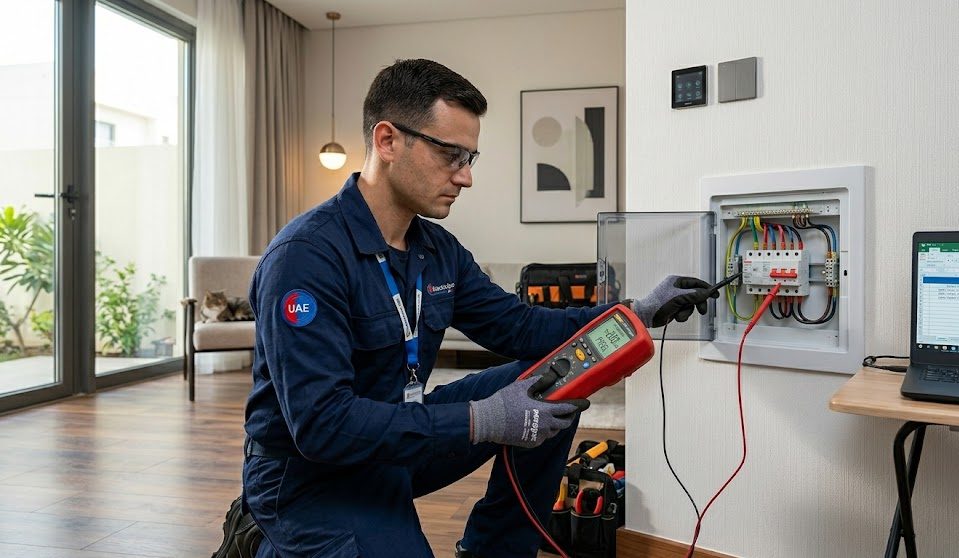
Before performing any test, safety should always come first. A megger applies high voltage, so improper use can be dangerous.
Important Safety Steps:
- Turn off the main power supply completely
- Disconnect all electrical appliances from the circuit
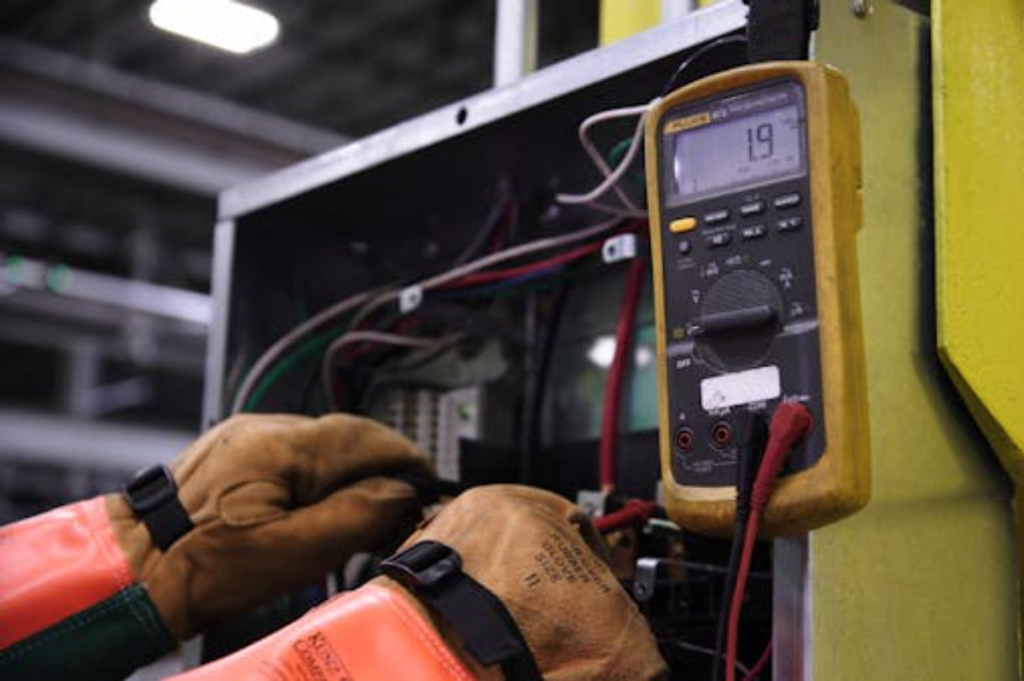
- Wear insulated gloves and safety gear
- Never test live circuits
- Ensure the testing area is dry and safe
It is crucial to avoid contact with the circuit during testing, as the equipment becomes energized during the process.
Tools and Equipment Required
To perform a megger test, you will need:
- Megger (insulation resistance tester)
- Test leads (probes)
- Safety gloves and protective gear
- Access to the electrical panel or wiring points
Using a reliable and properly calibrated megger ensures accurate results.
Why Insulation Resistance Test Matters
Insulation resistance testing is not just a technical procedure; it is a critical safety measure.
1. Prevents Electrical Failures
Faulty insulation can lead to short circuits and system breakdowns. Regular testing helps detect issues early before they cause major failures.
2. Reduces Risk of Electrical Fires
Damaged insulation can cause overheating and sparks, increasing the risk of fire. Identifying weak insulation helps prevent such hazards.
3. Ensures Safety of People and Property
Electrical leakage can result in electric shocks. Testing ensures that the system is safe for occupants and users.
4. Improves System Efficiency
Leakage currents reduce efficiency and increase energy consumption. Good insulation ensures optimal performance.
5. Supports Compliance with Safety Standards
In the UAE, electrical systems must meet specific safety regulations. Insulation resistance testing helps ensure compliance with these standards.
How Insulation Resistance Test Works
The insulation resistance test works by applying a high DC voltage between conductors and measuring the resistance of the insulation.
Basic Working Principle:
- A megger applies voltage to the electrical system
- The insulation resists the flow of current
- The device measures resistance in megaohms (MΩ)
The higher the resistance, the better the insulation quality.
Types of Insulation Resistance Tests
Different types of insulation tests are used depending on the application:
1. Spot Reading Test
A quick test that measures insulation resistance at a specific moment. It is commonly used for routine checks.
2. Time Resistance Test
Measures resistance over a period of time to assess insulation performance more accurately.
3. Polarization Index Test
Compares resistance values over time to determine insulation condition and aging.
These tests help professionals identify not just faults, but also the overall health of the insulation.
Factors Affecting Insulation Resistance
Several environmental and operational factors can impact insulation performance, especially in the UAE:
- High Temperature: Heat accelerates insulation aging
- Humidity and Moisture: Reduces resistance and increases leakage
- Dust and Contaminants: Affect insulation surface quality
- Aging of Materials: Natural wear over time
- Electrical Stress: Continuous usage and overloads
Understanding these factors helps in maintaining better electrical systems.
When Should You Perform Insulation Resistance Test?
Regular testing is essential to ensure safety and reliability. It is recommended to perform insulation resistance tests:
- During new installations
- After electrical repairs or modifications
- As part of routine maintenance
- When experiencing electrical issues
- Before commissioning equipment
Timely testing helps detect problems early and prevents unexpected failures.
Acceptable Insulation Resistance Values
Interpreting test results is important to determine system condition:
- Above 100 MΩ: Excellent insulation
- 10–100 MΩ: Good condition
- 1–10 MΩ: Warning level
- Below 1 MΩ: Poor insulation, immediate action required
These values may vary depending on the system, but generally, higher resistance indicates better insulation performance.
Common Signs of Poor Insulation
In addition to testing, there are visible signs that may indicate insulation problems:
- Frequent circuit breaker trips
- Flickering lights
- Burning smell near wiring
- Electric shocks from appliances
- Increased electricity bills
If you notice these signs, insulation testing should be done immediately.
Best Practices for Insulation Testing
To ensure accurate and safe testing, follow these best practices:
- Always turn off power before testing
- Disconnect sensitive equipment
- Use calibrated and reliable instruments
- Follow proper safety procedures
- Record and compare test results over time
These steps help in maintaining consistency and reliability in testing.
Why Professional Testing Is Important
While basic knowledge is helpful, insulation resistance testing is best performed by trained professionals.
Experts can:
- Use advanced testing equipment
- Interpret results accurately
- Identify hidden faults
- Provide effective solutions
Professional testing ensures that your electrical system is safe, efficient, and compliant with regulations.
Why Insulation Resistance Test Matters
Insulation resistance testing is not just a technical procedure; it is a critical safety measure.
1. Prevents Electrical Failures
Faulty insulation can lead to short circuits and system breakdowns. Regular testing helps detect issues early before they cause major failures.
2. Reduces Risk of Electrical Fires
Damaged insulation can cause overheating and sparks, increasing the risk of fire. Identifying weak insulation helps prevent such hazards.
3. Ensures Safety of People and Property
Electrical leakage can result in electric shocks. Testing ensures that the system is safe for occupants and users.
4. Improves System Efficiency
Leakage currents reduce efficiency and increase energy consumption. Good insulation ensures optimal performance.
5. Supports Compliance with Safety Standards
In the UAE, electrical systems must meet specific safety regulations. Insulation resistance testing helps ensure compliance with these standards.
How Insulation Resistance Test Works
The insulation resistance test works by applying a high DC voltage between conductors and measuring the resistance of the insulation.
Basic Working Principle:
- A megger applies voltage to the electrical system
- The insulation resists the flow of current
- The device measures resistance in megaohms (MΩ)
The higher the resistance, the better the insulation quality.
Types of Insulation Resistance Tests
Different types of insulation tests are used depending on the application:
1. Spot Reading Test
A quick test that measures insulation resistance at a specific moment. It is commonly used for routine checks.
2. Time Resistance Test
Measures resistance over a period of time to assess insulation performance more accurately.
3. Polarization Index Test
Compares resistance values over time to determine insulation condition and aging.
These tests help professionals identify not just faults, but also the overall health of the insulation.
Factors Affecting Insulation Resistance
Several environmental and operational factors can impact insulation performance, especially in the UAE:
- High Temperature: Heat accelerates insulation aging
- Humidity and Moisture: Reduces resistance and increases leakage
- Dust and Contaminants: Affect insulation surface quality
- Aging of Materials: Natural wear over time
- Electrical Stress: Continuous usage and overloads
Understanding these factors helps in maintaining better electrical systems.
When Should You Perform Insulation Resistance Test?
Regular testing is essential to ensure safety and reliability. It is recommended to perform insulation resistance tests:
- During new installations
- After electrical repairs or modifications
- As part of routine maintenance
- When experiencing electrical issues
- Before commissioning equipment
Timely testing helps detect problems early and prevents unexpected failures.
Acceptable Insulation Resistance Values
Interpreting test results is important to determine system condition:
- Above 100 MΩ: Excellent insulation
- 10–100 MΩ: Good condition
- 1–10 MΩ: Warning level
- Below 1 MΩ: Poor insulation, immediate action required
These values may vary depending on the system, but generally, higher resistance indicates better insulation performance.
Common Signs of Poor Insulation
In addition to testing, there are visible signs that may indicate insulation problems:
- Frequent circuit breaker trips
- Flickering lights
- Burning smell near wiring
- Electric shocks from appliances
- Increased electricity bills
If you notice these signs, insulation testing should be done immediately.
Best Practices for Insulation Testing
To ensure accurate and safe testing, follow these best practices:
- Always turn off power before testing
- Disconnect sensitive equipment
- Use calibrated and reliable instruments
- Follow proper safety procedures
- Record and compare test results over time
These steps help in maintaining consistency and reliability in testing.
Why Professional Testing Is Important
While basic knowledge is helpful, insulation resistance testing is best performed by trained professionals.
Experts can:
- Use advanced testing equipment
- Interpret results accurately
- Identify hidden faults
- Provide effective solutions
Professional testing ensures that your electrical system is safe, efficient, and compliant with regulations.
Conclusion
Understanding What Is Insulation Resistance Test is essential for anyone looking to maintain a safe and reliable electrical system. This test plays a vital role in detecting insulation faults, preventing electrical failures, and ensuring the safety of both people and property.
In the UAE, where environmental conditions can impact electrical systems, regular insulation testing becomes even more important. It helps identify potential risks early and ensures long-term performance.
For accurate testing, expert analysis, and reliable electrical solutions, Malcots offers professional services tailored to meet the safety and compliance needs of homes and businesses across the UAE.