

What a Fit-Out Noise Survey Checks Before Handover in Dubai
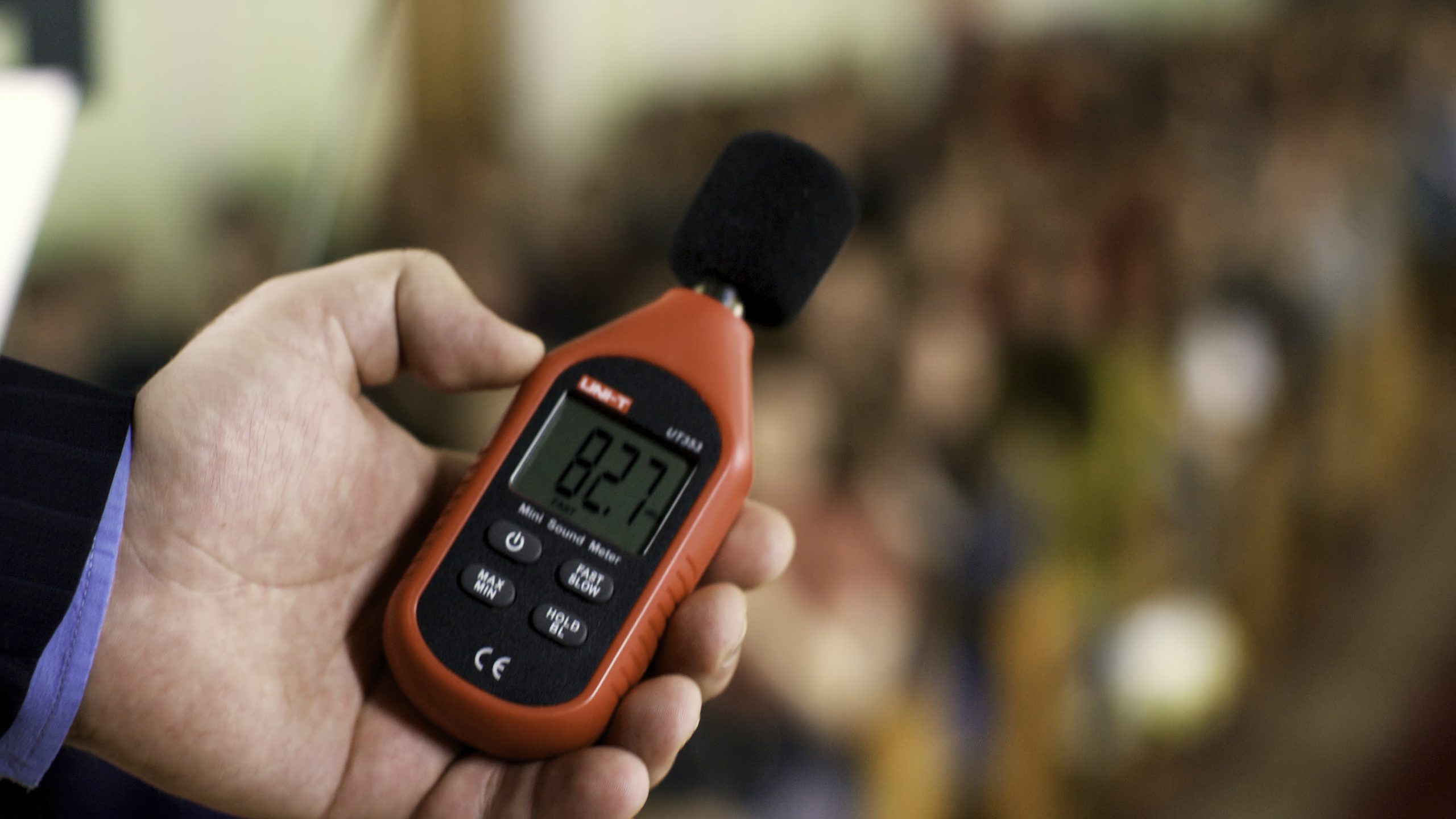
A fit-out noise survey measures the sound levels inside a completed office, clinic, shop or apartment with the building services running, so the consultant and landlord can confirm the space meets its acoustic criteria before handover. It is a focused form of sound level measurement in Dubai, and it is often one of the last items on the handover checklist. This guide explains which rooms are measured, what the readings show, which criteria they are compared with and how contractors can avoid a failed result.
Why Consultants Ask for a Noise Survey at Handover
Consultants ask for a noise survey because a space can look finished and still be too loud to use. Fan coil units set to high speed, noisy diffusers, rattling ceiling panels and sound carried from plant rooms are rarely visible during a walk-through, yet they are the first things tenants notice once they move in.
A measured survey gives everyone an objective record. The contractor can show the space was handed over within its criteria, the landlord has evidence if a tenant complains later, and the consultant can close the acoustic item on the handover checklist with data instead of opinion. When readings exceed the criteria, the survey shows exactly which rooms and which sources need attention, so remedial work is targeted rather than guessed.
Which Spaces Are Usually Measured
The survey normally covers the rooms where noise affects how the space is used, plus the rooms closest to noisy equipment. Typical measurement points include:
- Private offices and meeting rooms, where speech privacy matters
- Open-plan work areas under fan coil units or diffusers
- Clinic consultation and treatment rooms
- Hotel rooms and apartment bedrooms
- Retail floors next to back-of-house plant
- Rooms that share a wall, floor or ceiling with a plant room, riser or AHU room
The measurement locations are agreed with the consultant before the visit, so the survey covers the rooms named in the specification and any rooms where complaints are expected.
What the Survey Measures in Each Room
In each room, the survey records the background noise level with the HVAC and MEP systems running in their normal operating mode. The readings usually include the continuous equivalent sound level (Leq) over the measurement period and peak sound pressure levels from events such as equipment starting or doors closing.
Where a room fails, additional readings help find the source. The technician may take measurements close to a fan coil unit, a supply diffuser, a return grille or a shared wall, and compare readings with equipment on and off. This separates noise from the building services from noise coming in from outside, such as traffic or a neighbouring unit. Conditions at the time of each reading are recorded, because background noise, reflections and operating changes all affect the result.
Which Criteria the Readings Are Compared With
Fit-out readings are compared with the acoustic criteria in the project specification or tenancy requirements, which set a maximum background noise level for each type of room. Offices, meeting rooms, bedrooms and clinics normally have different criteria because they are used differently.
Community and environmental noise in Dubai is regulated by Dubai Municipality, and those limits apply when a survey looks at noise leaving the building, such as rooftop plant affecting neighbours. The survey report states which criteria were used for each room so the reader can see how the pass or fail decision was made. [CONFIRM: criteria Malcots reports fit-out surveys against]
Common Causes of Failed Fit-Out Noise Readings
Most failed readings trace back to the air-side of the HVAC system or to vibration from plant. The common causes are:
- Fan coil units running at a higher speed than designed
- High air velocity at diffusers and grilles from unbalanced airflow
- Air leaking from ductwork joints and access doors
- Loose ceiling tiles, access panels or diffuser fixings that rattle
- Vibration transmitted from pumps, AHUs or generators through the structure
- Gaps in partitions above the ceiling that let sound pass between rooms
Many of these are found and fixed during HVAC testing and commissioning and duct leakage testing, which is why it pays to complete those checks before the noise survey.
How to Prepare the Space for the Survey
A little preparation makes the survey faster and the results more reliable.
- Complete air balancing and set fan coil units to their design speeds.
- Fix all ceiling tiles, access panels and diffuser faceplates.
- Close the space to other trades during the measurement window.
- Run the HVAC and MEP systems in their normal operating mode.
- Share the specification criteria and the list of rooms to be measured.
Frequently Asked Questions
Is a noise survey required for every fit-out in Dubai?
No. It is required when the project specification, the landlord or the consultant asks for it, which is common in offices, clinics, hotels and residential buildings with acoustic criteria.
Can the survey be done while other trades are working?
Not reliably. Noise from other work raises the background level and can make a compliant room appear to fail, so the measurement window should be kept quiet.
What happens if a room fails?
The report identifies the room and the likely source. After the fix, such as rebalancing airflow or securing a loose panel, the room is measured again to confirm it now meets the criteria.
Malcots carries out fit-out noise surveys with calibrated instruments and a written report for consultants and landlords. Request a quote for sound level measurement or call Malcots to agree the rooms and timing.