

How Often Should Commercial Buildings in Dubai Schedule Thermal Imaging Inspections?
Commercial buildings are expected to operate efficiently every day. Whether it’s an office tower, shopping mall, hotel, warehouse, healthcare facility, or industrial property, uninterrupted electrical performance is essential for safety, productivity, and business continuity. Yet, not every electrical issue announces itself with sparks, smoke, or power failures. Many begin silently behind electrical panels, inside overloaded circuits, or within aging equipment.
This is where thermal imaging inspections become invaluable. By detecting abnormal heat patterns before visible damage occurs, they allow building owners and facility managers to take preventive action instead of reacting to expensive failures.
A common question, however, is: How often should commercial buildings schedule thermal imaging inspections? The answer depends on several factors, including the type of building, electrical load, operating environment, equipment age, and maintenance history.
In this guide, we’ll explore the ideal thermography inspection frequency, why it matters for commercial properties in Dubai, and how regular inspections contribute to safer, more reliable building operations.
What Is a Thermal Imaging Inspection?
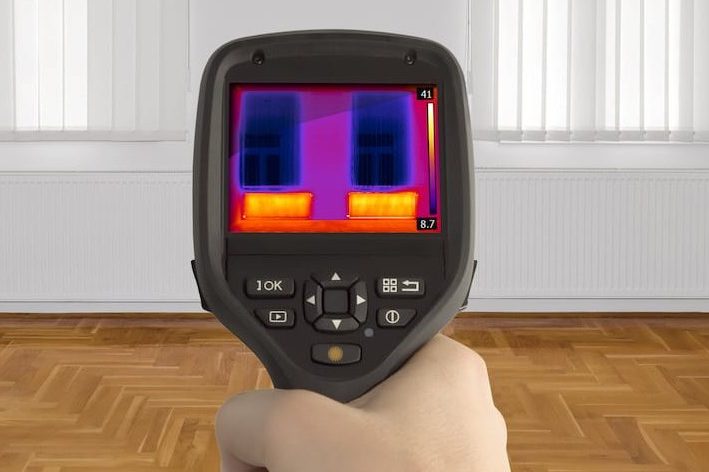
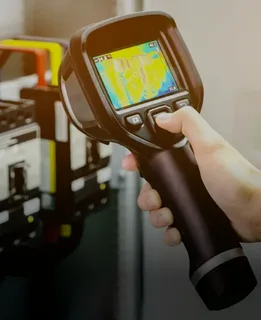
A thermal imaging inspection—also known as infrared thermography—is a non-invasive electrical testing method that uses infrared cameras to detect heat emitted by electrical equipment and building systems.
Every electrical component generates some level of heat during operation. When a component begins to fail or experiences excessive resistance, it usually produces more heat than normal.
Thermal imaging identifies these temperature differences without dismantling equipment, allowing technicians to locate hidden problems while systems remain operational.
This makes thermal inspections one of the most effective predictive maintenance tools available for commercial buildings.
Why Thermal Imaging Is Important for Commercial Buildings
Electrical systems in commercial properties often operate continuously for long hours. Over time, components naturally experience wear due to:
- Heavy electrical loads
- Continuous operation
- Loose electrical connections
- Equipment aging
- Environmental conditions
- Dust accumulation
- Mechanical vibration
Many of these issues generate abnormal heat long before they result in equipment failure.
Regular thermal inspections help detect these problems early, reducing the likelihood of unexpected breakdowns.
Understanding Thermography Inspection Frequency
The term thermography inspection frequency refers to how often thermal imaging inspections should be performed to maintain electrical safety and operational reliability.
There is no single inspection schedule that applies to every building.
Instead, the ideal frequency depends on several operational factors that influence the condition of electrical systems.
Rather than viewing thermal imaging as a one-time inspection, commercial property owners should consider it part of an ongoing preventive maintenance strategy.
Factors That Determine Inspection Frequency
1. Building Type
Different commercial properties have different electrical demands.
For example:
- Office buildings
- Shopping centres
- Hotels
- Hospitals
- Manufacturing facilities
- Warehouses
- Educational institutions
Buildings with higher electrical usage generally require more frequent inspections because their equipment experiences greater operational stress.
2. Electrical Load
Electrical systems operating near maximum capacity generate more heat than lightly loaded systems.
Heavy electrical loads increase the possibility of:
- Loose connection overheating
- Circuit overload
- Equipment deterioration
- Cable insulation stress
Buildings with consistently high power consumption benefit from more frequent thermal imaging assessments.
3. Equipment Age
As electrical equipment ages, normal wear gradually increases the likelihood of faults.
Older components may develop:
- Higher resistance
- Internal deterioration
- Loose terminals
- Insulation degradation
Buildings with aging infrastructure should review their thermography inspection frequency more regularly than newly commissioned facilities.
4. Operating Environment
Dubai’s climate creates additional challenges for electrical installations.
High temperatures, dust, humidity in certain areas, and continuous cooling demands place extra stress on electrical equipment throughout the year.
Commercial facilities operating under these conditions often require closer monitoring compared to buildings in milder environments.
5. Maintenance History
Buildings that follow structured preventive maintenance programs generally experience fewer unexpected failures.
If previous thermal inspections consistently reveal developing issues, increasing inspection frequency may be beneficial until the underlying causes are addressed.
General Recommendations for Commercial Buildings
Although every property should be evaluated individually, many commercial facilities benefit from thermal imaging inspections as part of scheduled preventive maintenance.
Common situations where inspections are recommended include:
- During annual electrical maintenance
- Before periods of peak electrical demand
- After major electrical modifications
- Following equipment upgrades
- After unexpected electrical incidents
- Before the warranty expiration for major equipment
- During property condition assessments
Facilities with critical operations may choose shorter inspection intervals depending on operational requirements.
Areas Commonly Inspected During Thermal Imaging
A comprehensive thermal imaging inspection typically includes several key electrical components.
These often include:
Main Electrical Panels
Panels distribute electricity throughout the building and frequently experience high electrical loads.
Thermal imaging can identify overheating connections before failure occurs.
Distribution Boards
Distribution boards contain multiple circuits that require balanced electrical performance.
Abnormal heat patterns often indicate loose terminals or overloaded circuits.
Switchgear
Switchgear controls electrical power distribution and protection.
Temperature differences may reveal developing faults inside the equipment.
Circuit Breakers
Faulty or overloaded breakers frequently generate excessive heat before visible signs appear.
Regular inspection helps identify problems early.
Cable Connections
Loose cable terminations increase electrical resistance, producing heat that thermal cameras can detect immediately.
Motors and Mechanical Equipment
Thermal imaging also assists in monitoring motor performance by identifying overheating bearings, electrical imbalances, or mechanical wear.
Benefits of Scheduling Regular Thermal Imaging Inspections
Maintaining an appropriate thermography inspection frequency provides numerous long-term advantages.
Early Fault Detection
Thermal imaging identifies developing issues before they become major failures.
Early intervention usually requires smaller repairs and lower costs.
Improved Electrical Safety
Overheating electrical components can increase fire risks.
Routine inspections help reduce these hazards by identifying abnormal temperatures before dangerous conditions develop.
Reduced Downtime
Unexpected electrical failures can interrupt business operations.
Preventive maintenance reduces the likelihood of emergency shutdowns.
Longer Equipment Life
Electrical components operating within normal temperature ranges generally experience less stress and longer service life.
Detecting overheating early helps preserve equipment condition.
Lower Maintenance Costs
Preventive maintenance is often significantly less expensive than emergency repairs or equipment replacement.
Thermal imaging supports planned maintenance rather than reactive repairs.
Warning Signs That You Shouldn't Wait for the Next Scheduled Inspection
Even with regular inspections, certain situations warrant immediate thermal imaging.
These include:
- Frequently tripping breakers
- Burning smells near electrical equipment
- Unexplained increases in electricity usage
- Flickering lighting
- Equipment operating unusually hot
- Buzzing electrical panels
- Recent electrical modifications
- Water exposure near electrical installations
If any of these signs appear, additional inspection should be considered rather than waiting for the next routine schedule.
Why Thermal Imaging Is Especially Valuable in Dubai
Dubai’s commercial buildings depend heavily on reliable electrical infrastructure.
Air conditioning systems, elevators, lighting, data centres, retail equipment, and automation systems often operate for extended periods throughout the year.
Combined with the region’s demanding climate, these conditions increase stress on electrical components.
Regular thermal imaging helps businesses maintain uninterrupted operations while reducing the risks associated with hidden electrical faults.
Choosing the Right Inspection Partner
Thermal imaging equipment is only one part of an effective inspection.
Accurate results also depend on experienced professionals who understand:
- Electrical systems
- Infrared image interpretation
- Equipment loading conditions
- Industry standards
- Maintenance recommendations
A detailed inspection report should clearly identify temperature variations, explain potential concerns, and recommend appropriate corrective actions.
Make Thermal Imaging Part of Your Preventive Maintenance Strategy
Instead of viewing thermal imaging as an occasional requirement, consider integrating it into your long-term building maintenance plan.
A proactive inspection schedule offers greater control over electrical reliability while supporting safer working environments and reducing costly operational interruptions.
When combined with routine electrical servicing, thermal imaging becomes one of the most effective investments in facility management.
Conclusion
Determining the right thermography inspection frequency isn’t about following a fixed timetable; it’s about understanding your building’s electrical demands, operating environment, and maintenance needs. Commercial buildings in Dubai face unique challenges due to high temperatures, continuous electrical loads, and year-round equipment usage, making regular thermal imaging inspections an essential part of preventive maintenance.
By identifying overheating components before they fail, businesses can improve safety, minimise downtime, extend equipment life, and make maintenance decisions with greater confidence.
If you’re looking for professional thermal imaging and electrical inspection services, Malcots offers reliable solutions tailored to commercial and industrial facilities. Visit our service page to learn how our experienced team can help protect your electrical systems through accurate thermal inspections and proactive maintenance strategies.