

What Is PAT Testing and How Does It Work?
Electrical equipment is an essential part of almost every workplace today. From computers and printers to extension leads, power tools, and kitchen appliances, portable electrical devices are used daily across offices, warehouses, construction sites, retail spaces, and even residential environments. While these appliances make daily operations easier and more efficient, they can also pose serious safety risks if they are not properly maintained or inspected.
Faulty wiring, damaged plugs, loose connections, and internal electrical defects are common issues that often go unnoticed during routine use. Over time, these faults can lead to electric shocks, equipment failure, fires, or serious workplace accidents. This is why Portable Appliance Testing (PAT Testing) plays a critical role in electrical safety management. PAT testing helps identify potential hazards early, ensures equipment remains safe to use, and supports organisations in meeting workplace safety responsibilities.
What Is PAT Testing?
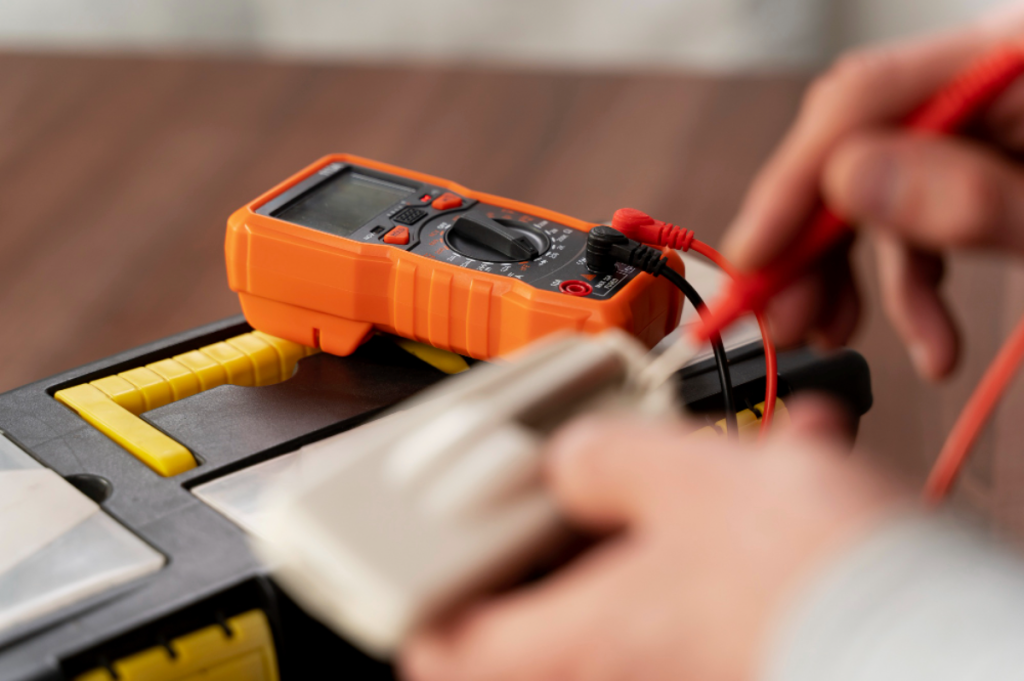
PAT Testing, short for Portable Appliance Testing, is a systematic inspection and testing process used to ensure that electrical appliances are safe to use. It involves a combination of visual inspections and electrical tests carried out on equipment that is connected to a power source via a plug.
Despite the name, PAT testing does not apply only to “portable” items in the traditional sense. Any appliance that can be plugged into a socket, whether it is frequently moved or fixed in one place, can fall under PAT testing requirements. The purpose is to detect faults that could lead to electric shock, fire, or equipment failure.
PAT testing does not guarantee that an appliance will never fail, but it significantly reduces risk by identifying existing problems and signs of deterioration before they become dangerous.
Why PAT Testing Is Important
Electrical accidents are often silent until something goes wrong. Faulty cables, loose connections, damaged insulation, or internal component failures may not be visible during daily use. PAT testing helps address this by proactively checking equipment safety.
Key reasons PAT testing is important include:
- Preventing electric shock and fire hazards
- Protecting employees, visitors, and property
- Meeting workplace safety regulations
- Reducing insurance and liability risks
- Demonstrating due diligence during audits or inspections
In many regions, including the UAE, businesses have a legal duty to ensure that electrical equipment is safe. PAT testing supports compliance with occupational health and safety regulations and electrical safety standards.
What Equipment Requires PAT Testing?
PAT testing applies to a wide range of electrical appliances, including:
- Office equipment (computers, monitors, printers)
- Kitchen appliances (kettles, microwaves, refrigerators)
- Extension leads and power strips
- Handheld tools and machinery
- IT and communication devices
- Cleaning equipment
- Chargers and power adapters
Not all equipment requires the same type or frequency of testing. Risk level depends on how often the equipment is used, where it is used, and who uses it.
How Does PAT Testing Work?
PAT testing follows a structured process designed to identify both visible and hidden electrical faults. The testing process typically includes the following stages:
1. Visual Inspection
The visual inspection is one of the most important parts of PAT testing. Many faults are discovered without using testing instruments. During this stage, the technician checks for:
- Damaged plugs or cracked casings
- Exposed wires or frayed cables
- Incorrect wiring
- Signs of overheating or burn marks
- Loose connections
- Unauthorised repairs or modifications
If an appliance fails the visual inspection, it may not proceed to electrical testing until the issue is corrected.
2. Electrical Testing
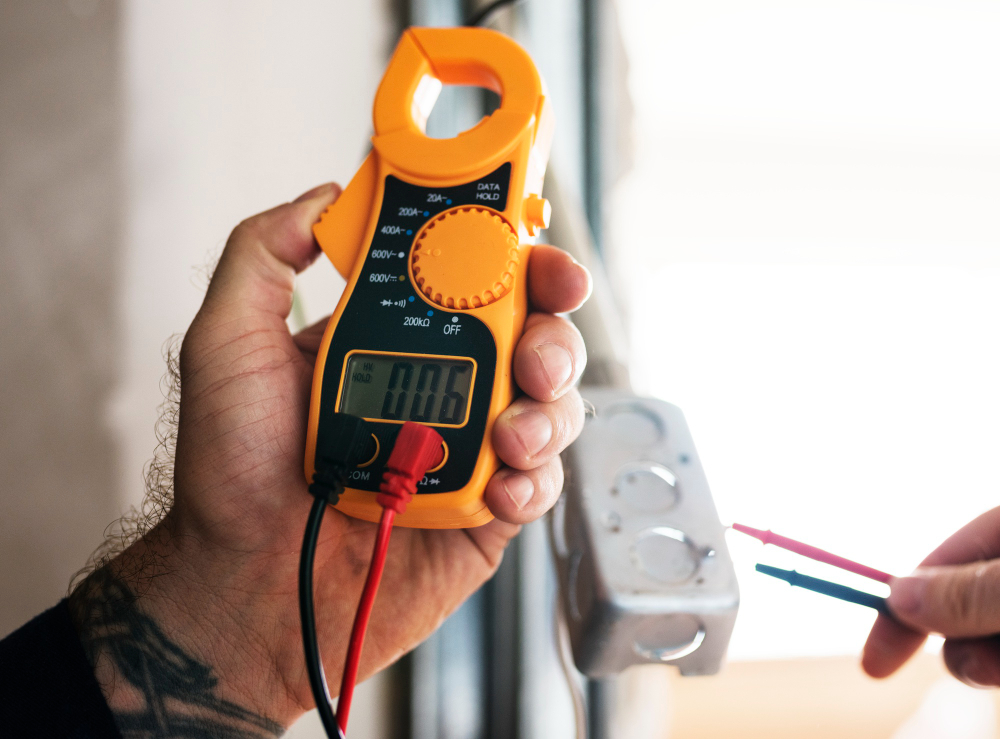
After passing the visual inspection, the appliance undergoes electrical testing using calibrated PAT testing equipment. These tests vary depending on the appliance type and its electrical class.
Common electrical tests include:
- Earth continuity test: Ensures the earth connection is intact for Class I appliances.
- Insulation resistance test: Checks the quality of insulation between live parts and earth to prevent electric shock.
- Polarity test: Confirms that wiring is correctly connected.
- Leakage current test: Measures current leakage to ensure it is within safe limits.
- Functional test: Verifies that the appliance operates correctly after testing.
Each test provides measurable data that determines whether the appliance is safe to remain in use.
3. Pass or Fail Classification
Once testing is complete, each appliance is clearly marked as either Pass or Fail.
- Pass: The equipment meets safety standards and can continue to be used.
- Fail: The equipment poses a risk and must be repaired, replaced, or removed from service.
Failing equipment should never be ignored, as continued use can result in serious safety incidents.
4. Labelling and Documentation
Every tested appliance receives a PAT label showing:
- Test date
- Test result
- Retest due date
- Technician identification
In addition to labelling, a detailed report is generated that records test results, asset identification, and compliance status. These records are crucial for audits, insurance reviews, and regulatory inspections.
How Often Should PAT Testing Be Done?
There is no single fixed interval for PAT testing. Frequency depends on several factors, including:
- Type of equipment
- Environment of use
- Frequency of use
- Risk level
- Manufacturer recommendations
For example:
- Office equipment may require testing every 12–24 months
- Construction tools may require more frequent testing
- Extension leads may need shorter inspection intervals due to wear and tear
A professional risk assessment helps determine appropriate testing schedules without unnecessary over-testing.
Who Is Qualified to Perform PAT Testing?
PAT testing should be carried out by trained and competent professionals who understand electrical safety principles, testing procedures, and regulatory requirements. Proper training ensures accurate results and correct interpretation of test data.
Using unqualified personnel or improper equipment can result in inaccurate assessments, leaving hidden risks undetected.
What Happens If PAT Testing Is Ignored?
Failure to conduct PAT testing can lead to:
- Electrical fires
- Employee injuries
- Legal penalties
- Insurance claim rejections
- Business downtime
- Damage to reputation
PAT testing is a preventive measure that costs far less than dealing with the consequences of an electrical incident.
PAT Testing as Part of a Broader Safety Strategy
PAT testing works best when integrated into a comprehensive electrical safety and maintenance program. Combined with routine inspections, staff awareness, and timely repairs, it helps create a safer working environment and ensures long-term operational reliability.
Conclusion
Understanding what PAT testing is and how it works empowers businesses to make informed decisions about electrical safety. It is not merely a regulatory requirement; it is a proactive approach to protecting people, assets, and operations.
With expert support from Malco Technical Services, PAT testing becomes a structured, reliable process that helps organisations maintain compliance, reduce risks, and operate with confidence. Electrical safety is not optional, and professional PAT testing ensures it is never overlooked.